Defend Your Home: Effective Pest Management for Termite Infestations
Termites represent a major threat to dwellings, frequently generating considerable destruction before homeowners even detect an infestation has started. Learning their patterns and nature is important for effective safeguarding. Regular monitoring can uncover early red flags, but many are unaware with the most successful techniques. Examining both homemade remedies and expert services can prove beneficial. What are the most effective approaches to shield a home from these damaging pests? The answers may shock you.
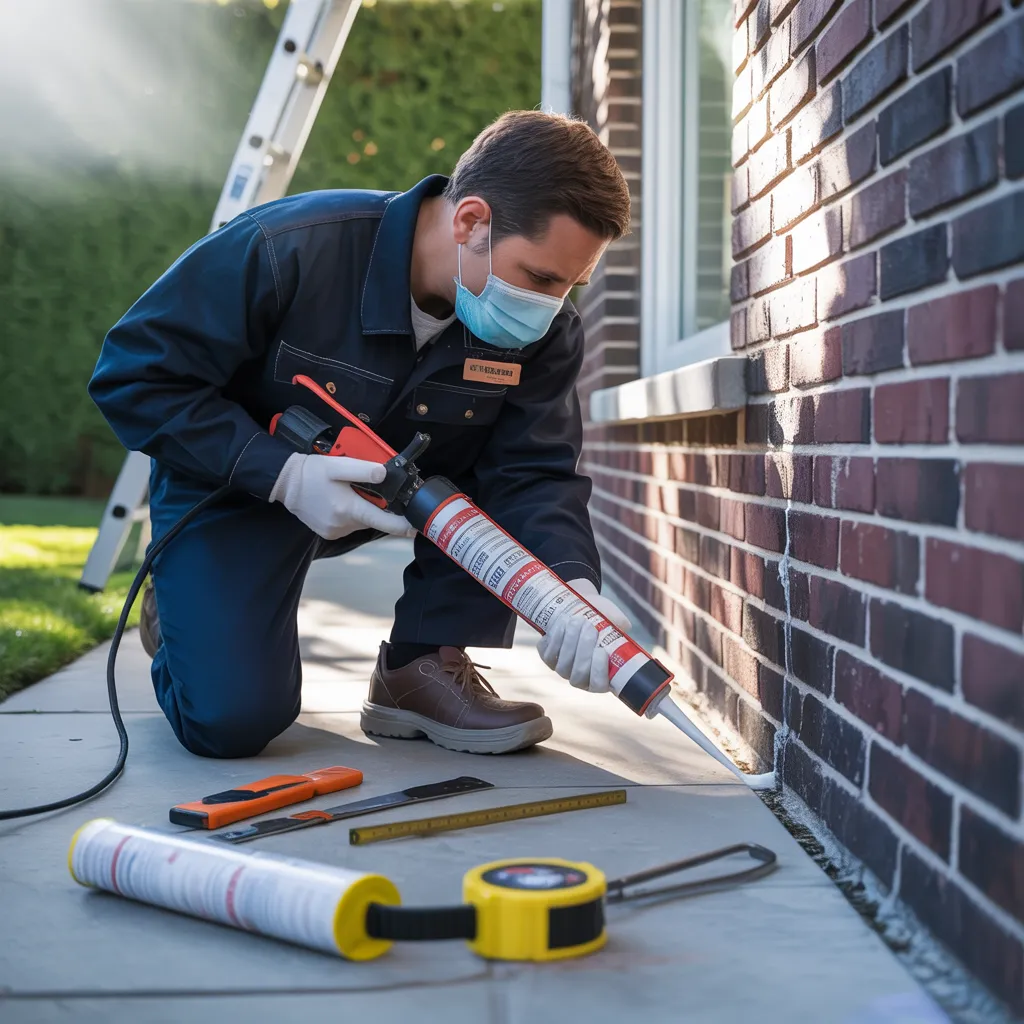
Learning About Pest Behavior and Biology
Termites interact through chemical compounds, which help coordinate activities such as hunting for food and distress signals. Their settlement patterns vary; some species construct elaborate mounds, while others remain concealed within wood. The breeding cycle involves mass copyright, where fertile termites distribute to establish new colonies. Grasping these behaviors and biological aspects is critical for applying targeted control measures, decreasing damage, and protecting both homes and natural environments from colonies.
Symptoms of Termite Damage in Your Home
Although frequently out of sight, the signs of termite infestation can be subtle yet disturbing. Homeowners must be careful for particular signs that may reveal the presence of these destructive pests. One well-known sign is the presence of mud tubes, which are slim tunnels made from soil and saliva, often found along foundation walls. In addition, discarded wings near windows or doors may indicate swarmers, signaling a potential infestation.
An additional red flag includes empty-sounding wood, as termites consume the inner cellulose, keeping the outer structure intact. Property owners might also spot frass, or wood dust, gathering near wood structures, a sign of active feeding. Lastly, mysterious cracks in walls or ceilings can signal termite damage. Recognizing these signs early can help in reducing damage and preserving the integrity of the home.
Methods for Successfully Preventing Termite Infestations
Fighting termite problems requires a proactive plan that includes routine home inspections, successful dampness handling, and fitting wood treatment options. By catching vulnerabilities beforehand and addressing them, homeowners can greatly cut down on the risk of an occurrence. Executing these strategies creates a more favorable environment for termites, promoting durable protection.
Regular Home Inspections
Regular house inspections are an important role in protecting properties against termite infestations. Conducting inspections at least once a year allows homeowners to identify potential signs of termite activity, such as mud tubes, discarded wings, or damaged wood. Professional inspectors have the expertise needed to detect hidden infestations that might go unnoticed by untrained eyes. Moreover, these inspections can identify structural vulnerabilities, allowing for timely repairs before termites can exploit them. Homeowners are encouraged to check commonly affected areas, including basements, attics, and crawl spaces. Early detection through regular inspections not only protects the home's integrity but also substantially reduces repair costs related to severe damage. Staying vigilant can ultimately ensure long-term peace of mind.
Moisture Regulation Methods
Not only do home inspections identify termite activity signs, but they also bring attention to moisture issues that may draw these pests. To prevent infestations, effective moisture control tactics are essential. Homeowners must guarantee adequate drainage around the foundation, channeling water away from the building. Inspecting gutters and downspouts regularly for blockages helps prevent water buildup. Additionally, good ventilation in crawl spaces and attics limits humidity, making the environment less conducive for termites. It is crucial to seal any leaks in plumbing and roofs because even small moisture levels can draw in pests. Finally, using a dehumidifier in moist areas can further decrease the chances of termite attraction, creating a dry and inhospitable environment for these destructive insects.
Wood Finishing Possibilities
Carrying out wood treatment options is crucial for protecting structures from termite damage. Multiple methods are available to strengthen wood's resistance to these harmful pests. Pressure-treated wood, treated with chemical agents, creates a strong barrier, making it less desirable to termites. Borate treatments, as another effective choice, absorb into the wood and deliver long-term protection by disrupting the insects' digestive processes. Moreover, using naturally resistant kinds, including cedar or redwood, can limit vulnerability. Regular inspections and maintenance help ensure early detection of any potential infestations, allowing for timely treatment. By applying these wood treatment methods, homeowners can markedly reduce termite risks, protecting the integrity of their structures and maintaining a termite-free setting.
Established Do-It-Yourself Plans for Destructive Pest Treatment
When tackling termite control, multiple DIY approaches can prove highly effective. Organic deterrents and protective shields provide homeowners accessible options for protection, while baiting systems deliver a simple method for tracking and eradicating pest colonies. Understanding these methods can empower homeowners to protect their homes from potential damage.
Organic Deterrent Options and Protective Barriers
Natural agents and obstacles provide an effective means to combat termite infestations without using harsh chemicals. Homeowners can apply substances like orange oil, which contains d-limonene, known to disrupt termite cell structure. Neem oil also serves as a natural deterrent, influencing termites' hormonal balance and preventing reproduction. Another option is diatomaceous earth, a non-toxic powder that damages termite exoskeletons upon contact, causing dehydration. Creating barriers with physical materials such as steel mesh or sand can also prevent termite entry points. Regular upkeep of landscaping and ensuring proper drainage can further reduce infestation risks. Implementing these natural techniques boosts home protection while fostering an eco-friendly method to pest management.
Baiting Systems Explained Easily
Effective bait delivery systems provide a solid strategy for addressing termite invasions. These systems use intentionally placed bait stations packed with cellulose material, meant to lure foraging termites. Once termites consume the bait, they transport it back to their colony, where it undermines the growth and health of the entire population. Baiting systems commonly feature insect growth regulators or slow-acting insecticides that handle termites without alerting them. Homeowners can set up these stations in areas of high termite activity, inspecting summary them regularly for effectiveness. While DIY baiting can be productive, it is important to respect instructions carefully and maintain a periodic check on the bait levels. This anticipatory approach helps secure long-term protection against future infestations.
When should you reach out to a expert for termite control?
When should property owners think about enlisting expert assistance for pest management? Homeowners dealing with signs of a pest problem, such as mud tubes, damaged wood, or discarded wings, should respond quickly. If the infestation has progressed beyond a small, manageable area, professional intervention is recommended. Additionally, those unsure about the severity of the issue benefit from expert assessments, as professionals can accurately identify and handle hidden infestations.
Homeowners who have tried DIY techniques without achieving results should also pursue expert help. This is crucial when handling extensive damage, as professionals command specialized tools and understanding to successfully eradicate termites and avoid future infestations. Moreover, if a home is situated in a vulnerable region for termites, consistent professional inspections may be necessary, even in the lack of visible signs. In these cases, swift professional intervention can shield homeowners from costly repairs and ensure thorough termite control.
Long-Term Methods for a Termite-Free Home
To keep a termite-free home, homeowners must implement proactive measures that go further than immediate treatments. Prevention is crucial, beginning with regular inspections of the property to identify potential vulnerabilities. Keeping wood and soil away from direct contact is important, as termites flourish in damp environments. Homeowners can also consider using treated wood for construction and renovations, which is less attractive to these pests.
One effective strategy consists of using defensive obstacles, such as metal shields or sand barriers, during the construction stage. Maintaining proper drainage and making sure gutters are clear can greatly reduce moisture levels around the foundation, further deterring termite activity. Additionally, landscaping should be organized to avoid wood mulch near the home, opting for alternatives that are less inviting to termites. By blending these long-term solutions, homeowners can create an environment that minimizes the risk of termite infestations, encouraging a safer living space.
The Price of Termite Destruction: Is Prevention Worth It?
How substantial can the costs of termite damage be for homeowners? The monetary consequences can be shocking, with projections suggesting that termite damage expenses U.S. homeowners millions upon millions annually. Fixing structural issues often extends from $3,000 to $8,000, based on the intensity of the pest problem. Additionally, these insects can compromise a home's worth, deterring potential buyers and leading to considerable losses if the property is sold.
Channeling resources into prevention measures, such as periodic assessments and applications, is often seen as a sound economic choice. These proactive measures can reduce the danger of serious pest invasions, ultimately safeguarding homeowners from high-cost fixes. While initial prevention costs may seem high, they are typically outweighed by the likely costs resulting from unchecked termite damage. Therefore, homeowners must weigh the long-term benefits of prevention against the immediate costs to protect their property and investment.
Common Questions Posed Often
Will Termites Cause Structural Damage in Just a Couple of Months?
Yes, these pests can cause significant structural damage within just a few months. Their rapid consumption of wood and cellulose materials weakens the integrity of buildings, making early detection and intervention critical for homeowners.
What Represent the Top Organic Treatments for Termite Elimination?
Natural options for termite control include nematodes, diatomaceous earth, orange oil, and vinegar. These strategies disrupt termite activity and repel infestations without harsh chemicals, presenting eco-friendly alternatives for homeowners desiring effective pest management solutions.
In What Way Do Weather Conditions Determine Termite Activity?
Weather conditions significantly impact termite activity. Warm, humid climates facilitate their reproduction and foraging, while colder temperatures can limit their movements. Heavy rainfall can result in increased humidity, generating favorable conditions for infestations.
Are Termites Drew to Specific Types of Wood?
Indeed, termites are pulled toward specific types of wood, particularly those that are soft, decaying, or untreated. Species such as pine and fir are especially appealing, as they provide suitable habitats for nesting and feeding.
Can Pets Detect Termite Invasions?
Pets are sometimes able to detect termite infestations because of their keen sense of smell. However, while dogs may exhibit interest in affected areas, they are not reliable indicators, and expert assessments remain essential for accurate detection.